


My safety toolkit
Critical Risk Program
Keeping our people, contractors and communities safe by focusing on the controls that prevent serious injuries and fatalities.
Our critical risks and controls
Our Critical Risk Program focuses on 15 critical safety risks that have the potential to result in serious injury or fatality. The critical risks and controls below are the first to be published, with additional critical risks and controls to be added as they are formally endorsed.
Excavation and trenching
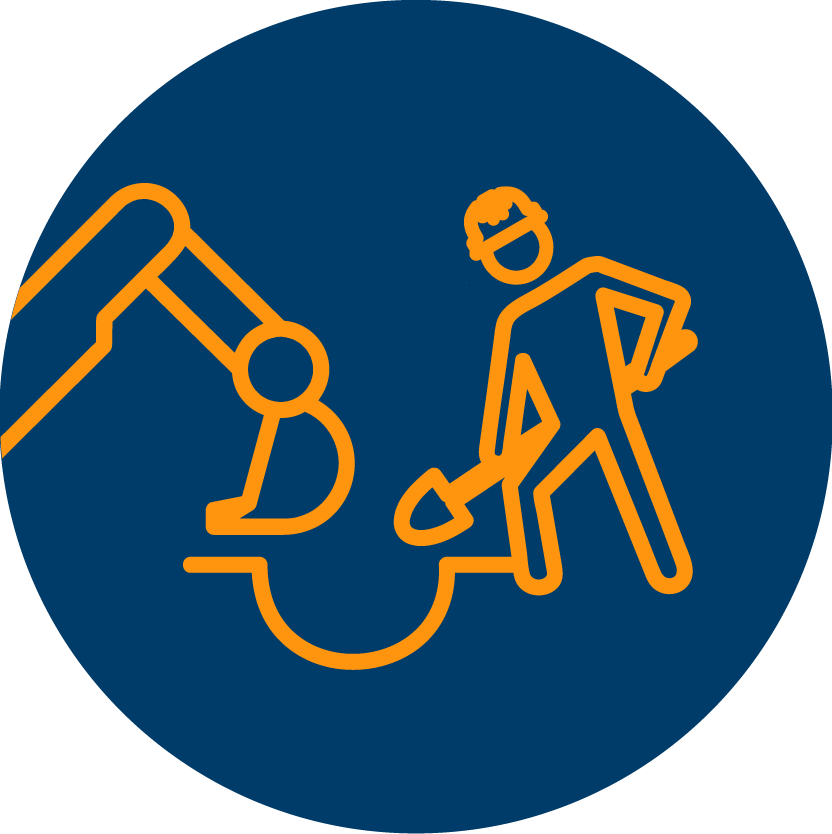
To eliminate the risk of harm to a person or service as a result of an impact to underground services or unauthorised access and engulfment in an excavation or trench
| Critical controls | Critical control objective |
|---|---|
| Detection of buried services | To ensure that all active underground services are located, identified and marked at the excavation site and adjacent areas before allowing the excavation work to commence. |
| Safe access and egress | To ensure a safe means of access and egress to a trench. |
| Stability of ground conditions | To ensure ground conditions are assessed, maintained and controlled to prevent instability, collapse or loss of footing during activities. |
| Barricading and segregation | To ensure effective barricading, segregation and exclusion zones are in place to protect workers and the public from hazards. |
| Emergency preparedness | To ensure emergency equipment and trained workers are available to respond to all emergencies on the site. |
Fall from height
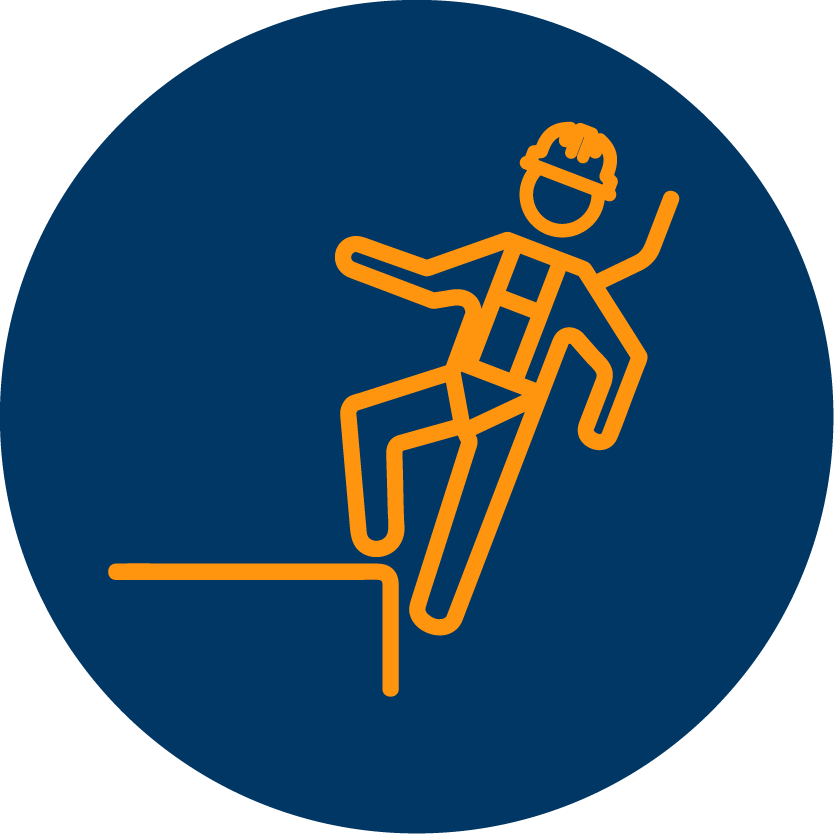
To eliminate the risk of workers falling from one level to another
| Critical controls | Critical control objective |
|---|---|
| Edge protection and opening covers | To prevent exposure to unprotected edges or openings by ensuring work is not undertaken near edges or openings unless effective protection is in place. |
| Dropped object exclusion zones | To ensure systems are in place to prevent people and vehicles from being exposed to dropped or falling objects in an active work zone. |
| Integrity of height access equipment | To ensure all height access equipment is installed, inspected, used and dismantled by a competent person, in accordance with applicable Australian Standards |
| Fall protection systems | To ensure workers have access to appropriate fall protection equipment that is rated and tested to comply with applicable Australian Standards. |
| Emergency preparedness | To ensure effective emergency preparedness through competent responders, appropriate rescue equipment and reliable alert systems. |
Mobile plant and equipment interaction
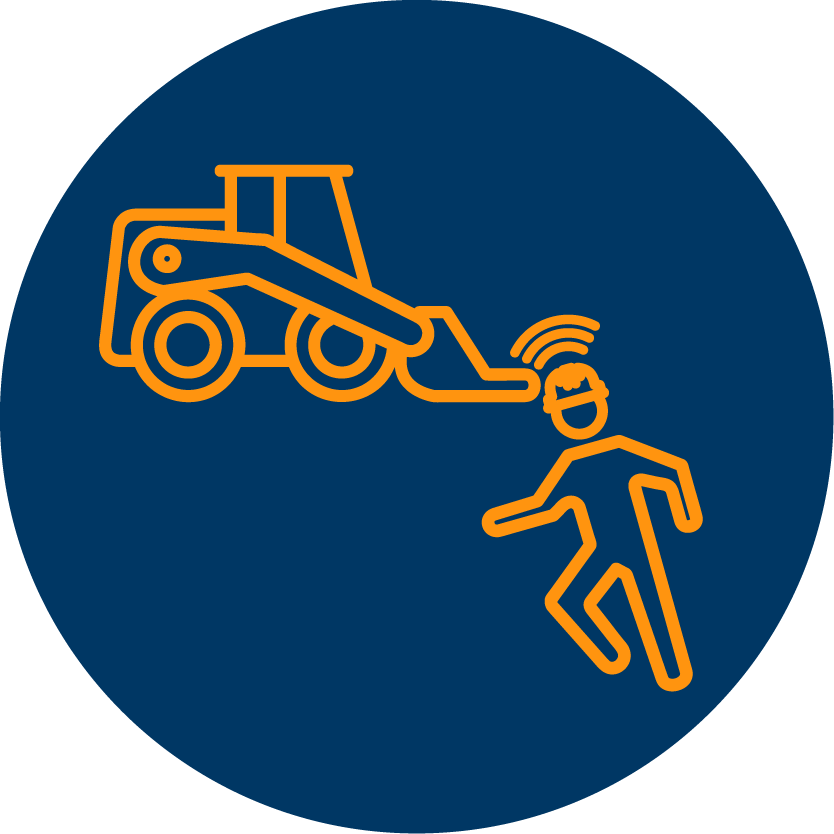
To eliminate the risk of impact between a worker or pedestrian, or structure and a vehicle or mobile plant.
| Critical controls | Critical control objective |
|---|---|
| Barricading and segregation | To ensure that there are systems in place to maintain the segregation between mobile plant, vehicles and pedestrians. |
| Fundamentally stable parking | To ensure that mobile plant and equipment are parked safely and in a stable manner to prevent uncontrolled movement as per manufacturer’s recommendations. |
| Positive communication | To ensure that there is a process in place to always maintain positive communication with the mobile plant operators. |
| Fit for purpose plant and equipment | To ensure mobile plant and equipment are road worthy, adequate for the work and maintained to the manufacturer’s recommendations. |
Electrical energy
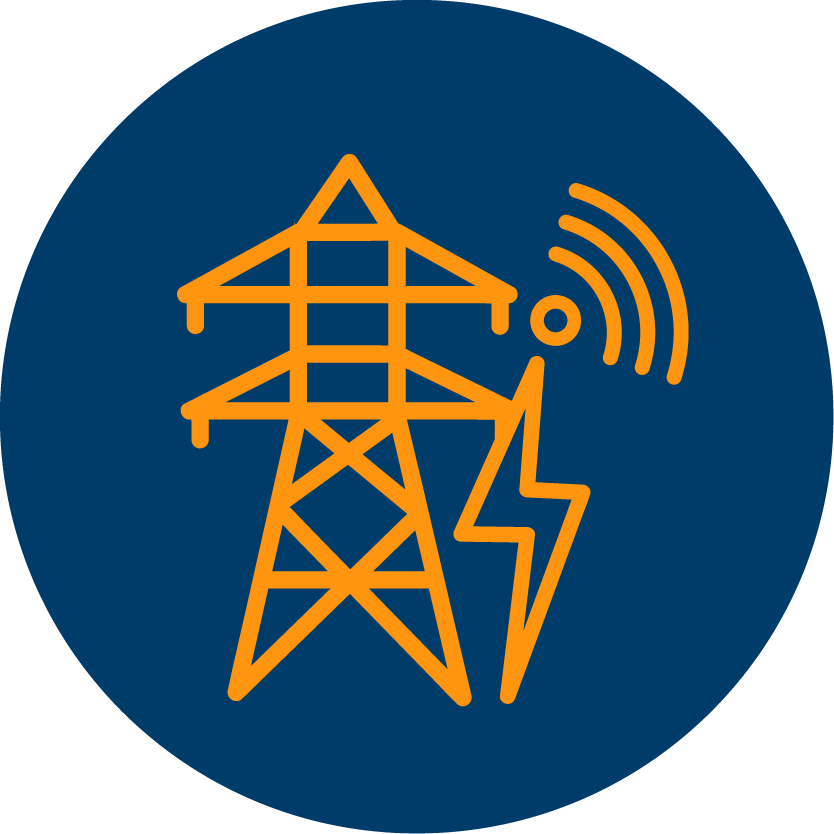
To eliminate the risk of workers contacting electrical energy
| Critical controls | Critical control objective |
|---|---|
| Isolation and lockout | To prevent and verify unintended release of electrical energy. |
| Access control | To ensure systems are in place to prevent unauthorised people from accessing electrical equipment and infrastructure. Use controls such as locked enclosures, controlled access systems, warning signage, and periodic audits. |
| Non-conductive tools and portable equipment | To ensure that all electrical tools and equipment are maintained and compliant as per the manufacturer’s recommendations. |
| Identification of overhead powerlines | To ensure overhead powerlines are clearly identified, indicated and communicated to prevent unintended contact. |
| Personal Protective Equipment (PPE) | To ensure that the appropriate Personal Protective Equipment rated for the work to be done is available, maintained and used as intended. |
Safety and wellbeing resources
Journey management:
- Have you informed your supervisor or manager of your travel plans? Check-in regularly.
- Do you know the safest route to your destination?
- Have you considered the time of day when you will be travelling? Avoid dusk and dawn, when possible. Drive during daylight hours.
- Consider the weather. Adjust your speed accordingly if weather conditions or visibility are poor.
Vehicle safety:
- Will you be travelling in a company car or your personal vehicle?
- Do you currently hold a valid driver's licence?
- If using your personal vehicle, is your vehicle up-to-date with maintenance?
- Ensure you perform a vehicle walkaround before starting your journey.
Site visit and PPE:
- Notify the appropriate site contact of your intent to visit.
- Are you properly inducted to the site you intend to visit? If unsure, speak to the site contact.
- Do you have the minimum PPE to visit the site? If unsure, speak to the site contact.
- If attending a site as a visitor, ensure you sign-in and attend a visitor induction once you arrive.
Weather:
- Are you dressed appropriately for hot, cold, or wet weather?
- If the weather is hot, consider additional water and sunscreen. Take breaks in shade as required.
- What is the fire risk today?
A pre-start conversation tool for teams in the field.
Danger
What can hurt me?
Review
What are the controls for the dangers identified?
Implement
Are any dangers uncontrolled?
Plan
Is anything different to the written plan?
Support
Is any external support required? Are we properly equipped to safely complete the task?
An observational tool used by managers, supervisors and leaders.
Danger
What dangers have been identified?
Review controls
What are the controls for the dangers identified?
Observation and verification
Observe the controls. Are they effective so far as reasonably practicable (SOFARP)? Do the workers understand the risks and controls?
Planning and support
Has planning supported safe execution of the task? Is any further support required?
Shared learnings and findings
Are there any findings or lessons learnt that can be shared?
During your H&S leadership visit, look for the following hazards and discuss with those doing the work:
- Airborne contaminants
- Confined space
- Construction sone traffic incident
- Driving vehicles
- Electrical energy
- Excavation
- Fall from heights
- Hazardous substances
- Lifting operations
- Mobile plant and equipment interaction
- Release of uncontrolled hazardous energy
- Trenching
- Working alone
- Working near rail
- Working near water
- Psychosocial
- Hazardous manual tasks
- Slips, trips, falls
- Any other hazards
If you are in crisis, call 000 for help.
You are not alone. If you need support, consider speaking to your supervisor, a member of the People and Safety team, a trusted friend, or family member.
Contact Converge on 1800 730 931 for free, confidential counselling available 24/7.
Support is also available from:
To report a psychosocial safety hazard, please contact your supervisor or a member of the People and Safety team.
If you are in crisis, call 000 for help or seek urgent medical advice.
Get help:
- Speak with a friend you trust.
- Speak with your leader about any workplace issues.
- Contact a mental health first aider.
- See your doctor.
- Use the employee assistance program.
Your best option is to tackle the root cause of the psychosocial health hazard. There are also some personal strategies that may help, so choose what works for you:
Create change. Form new habits. Choose the right habits for you. Stop bad habits.
Move more. Improve cardiorespiratory fitness. Improve strength. Improve stability.
Sleep better. Increase light in the morning. Reduce light in the evening. Relax before bed.
Eat better. Eat more protein. Get more essential nutrients. Eat less processed food.
Manage stress. Control your breathing. Mitigate chronic stress. Consider meditation or similar techniques.
Reconnect. Reconnect with others. Reconnect with nature. Reconnect with yourself.
Enhance focus. Train focus over time. Optimise focus in the moment. Manage distractions.
Find meaning. Decide what really matters. Prioritise the important things. Limit your work in progress.
To report a psychosocial safety hazard, please contact your supervisor or a member of the People and Safety team.
One of our core values is ‘we value our people’. Every day, our people across the state take positive steps to work safely – no matter their role or location.
To help recognise and celebrate these safety positives, our Health and Safety team is encouraging everyone to share great safety practices they see across our business and with our contractors.
This includes:
* a colleague or contractor who’s gone above and beyond to work safely
* a smart safety idea or initiative in action
* an improvement or behaviour worth recognising
Share your feedback using the Safety Positive form.